Furnace Disposal in Charlotte, NC
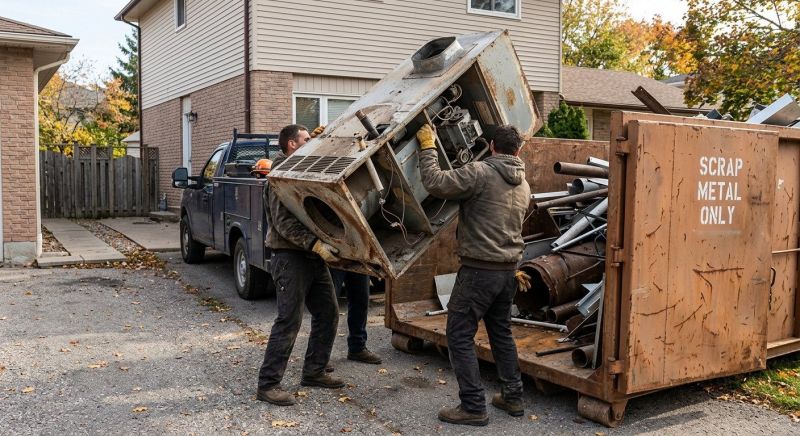
Furnace disposal services involve the removal and proper handling of outdated, broken, or inefficient heating units from residential properties. These projects typically include the safe dismantling and hauling away of old furnaces, whether due to replacement, upgrade, or repair needs. Property owners often request this service when upgrading to newer heating systems or when an existing furnace is no longer operational, ensuring the removal process is safe, efficient, and compliant with local regulations.
Before requesting furnace disposal, homeowners should understand the size and weight of their current unit, as well as any specific access considerations on their property. It’s also helpful to know if the furnace contains any hazardous materials, such as refrigerants or asbestos, which may require special handling. Clarifying these details can ensure the disposal process proceeds smoothly and safely, meeting all necessary standards for environmental and property safety.
Many property owners in Charlotte, NC look into Furnace Disposal for repairs, replacements, upgrades, and appearance-related improvements.
Furnace Disposal Options
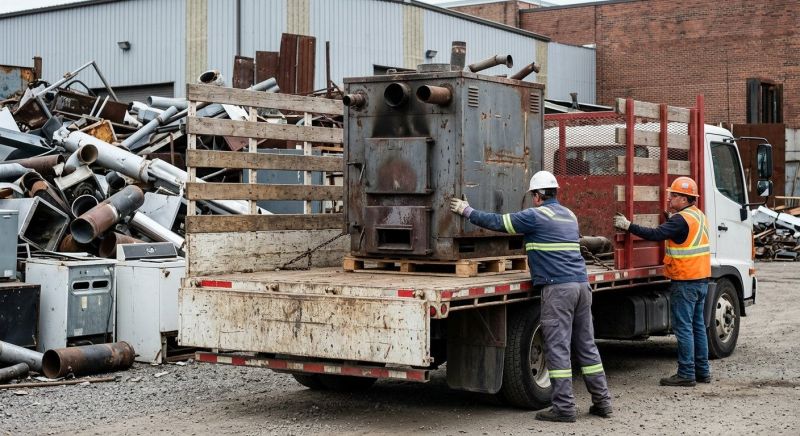
Proper disposal methods for outdated or broken furnaces ensure safety and compliance.
Signs You Need Furnace Removal
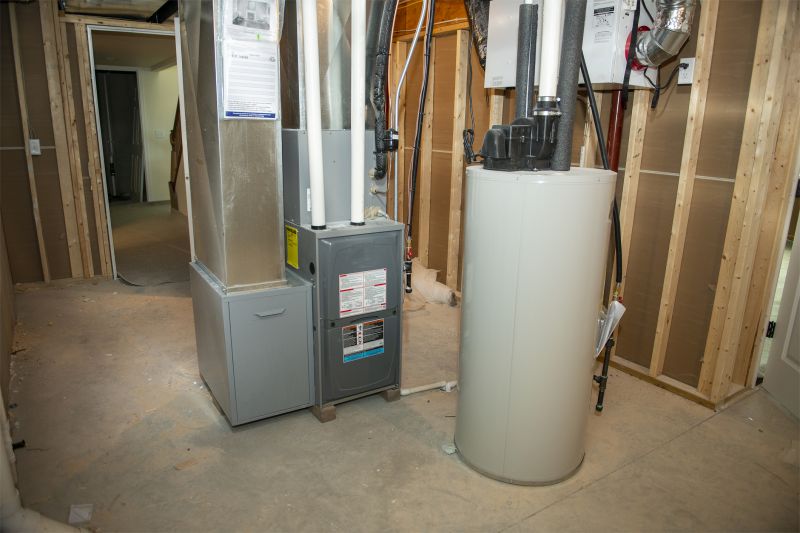
Frequent breakdowns, inefficient operation, or old age are common reasons to consider furnace disposal.
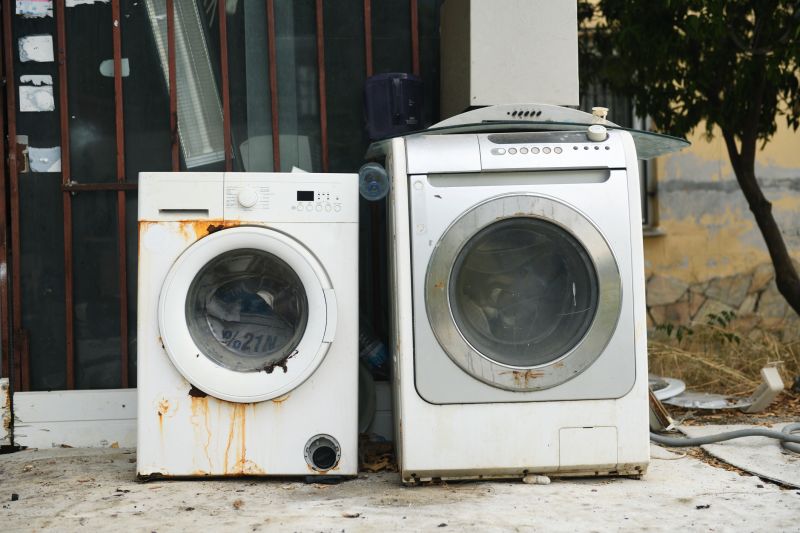
Preparing For Furnace Disposal
Clearing the area and disconnecting utilities can help facilitate a smooth removal process.
Furnace Disposal in Charlotte, NC

Furnace disposal services involve the removal and proper handling of outdated, broken, or inefficient heating units from residential properties. These projects typically include the safe dismantling and hauling away of old furnaces, whether due to replacement, upgrade, or repair needs. Property owners often request this service when upgrading to newer heating systems or when an existing furnace is no longer operational, ensuring the removal process is safe, efficient, and compliant with local regulations.
Before requesting furnace disposal, homeowners should understand the size and weight of their current unit, as well as any specific access considerations on their property. It’s also helpful to know if the furnace contains any hazardous materials, such as refrigerants or asbestos, which may require special handling. Clarifying these details can ensure the disposal process proceeds smoothly and safely, meeting all necessary standards for environmental and property safety.
Many property owners in Charlotte, NC look into Furnace Disposal for repairs, replacements, upgrades, and appearance-related improvements.
Common Furnace Disposal Jobs
Furnace Disposal - safely removing and disposing of outdated or broken heating units.
Furnace Removal - dismantling and hauling away old furnaces to clear space.
Equipment Disposal - properly disposing of furnace components and accessories.
Decommissioning Services - disconnecting and removing furnaces during home upgrades.
Hazardous Material Handling - managing the safe disposal of any hazardous furnace parts.
Old Furnace Recycling - recycling metal and other materials from discarded heating systems.
Furnace Disposal Questions
What types of furnaces can be disposed of? Disposal services handle various furnace types, including gas, electric, and oil models, regardless of size or age.
Is there anything property owners should do before disposal? It's recommended to disconnect power and remove any remaining fuel or hazardous materials before the service.
What projects typically require furnace disposal? Common reasons include replacing old units, upgrading to more efficient systems, or removing non-functional furnaces from properties.
Are there safety considerations for furnace disposal? Proper handling and disposal are important to prevent leaks, damage, or hazards during removal and transport.
Request Furnace Disposal in Charlotte, NC
Use the quote form on this page to share the basics of your project and request more information for the type of work you need.